
ADHD Testing for Adults in Pennsylvania and Delaware: Why Summer Can Be the Time to Get Answers
Summer can make adult ADHD harder to ignore. When routines shift, travel increases, kids are home, and work schedules change, adults may notice more procrastination, overwhelm, forgetfulness, and difficulty following through. Learn how adult ADHD testing in Pennsylvania and Delaware can help you get clarity and support.

Summer can make adult ADHD symptoms more noticeable. Adult ADHD testing in Pennsylvania and Delaware can help you get clarity and support.
Summer can make adult ADHD harder to ignore.
For some adults, the structure of the school year, regular work routines, or predictable family schedules helps hold everything together. Then summer arrives. Kids are home. Vacations interrupt routines. Work schedules shift. Social events increase. Holiday weekends throw off sleep. Longer days can bring more stimulation, more decisions, and less structure.
For adults with ADHD, that change can feel like everything is suddenly harder.
You may notice more procrastination, more unfinished tasks, more emotional overwhelm, more missed details, or more difficulty getting back on track after interruptions. You may wonder, “Why can everyone else seem to manage this, but I keep falling behind?”
Sometimes the answer is not laziness. Sometimes it is not poor discipline. Sometimes it is untreated adult ADHD.
At ADHD Philadelphia, we provide adult ADHD testing in Pennsylvania and Delaware, diagnosis, and treatment for adults. If summer has made your symptoms more visible, this may be the right time to finally get answers.
Why Summer Can Make Adult ADHD More Noticeable
Adult ADHD often becomes more obvious when structure disappears.
During the year, you may rely on routines, deadlines, work expectations, school schedules, or outside pressure to stay organized. When summer changes that rhythm, the support system you were depending on may weaken.
You may notice:
You have trouble restarting tasks after interruptions.
You forget appointments, errands, bills, or messages.
You feel overwhelmed by simple planning.
You stay busy all day but do not finish what matters.
You avoid tasks until they become urgent.
You feel emotionally drained by noise, people, travel, or schedule changes.
You struggle to keep up with work while also managing family or social demands.
You feel guilty because you care deeply, but still cannot stay consistent.
This is one reason many adults begin looking for ADHD testing during stressful life transitions. ADHD may have been present for years, but symptoms can become harder to compensate for when life gets less predictable. If this sounds familiar, you may also relate to why adult ADHD makes follow-through so difficult even when you care.
Signs It May Be Time for Adult ADHD Testing
Adult ADHD testing may be helpful when symptoms are affecting your daily life, not just when you are occasionally distracted.
You may want to consider an ADHD evaluation if you often experience:
Difficulty starting tasks, even important ones.
Trouble finishing projects.
Chronic lateness or poor time awareness.
Disorganization at home, work, or school.
Forgetfulness with appointments, emails, texts, or responsibilities.
Difficulty focusing during conversations, meetings, reading, or paperwork.
Restlessness, racing thoughts, or feeling internally “driven.”
Impulsive decisions, spending, interrupting, or emotional reactions.
A long history of being told you are smart but inconsistent.
A pattern of anxiety, burnout, depression, or low self-esteem connected to unfinished responsibilities.
Many adults with ADHD have spent years blaming themselves. They may have been called lazy, careless, scattered, too sensitive, or unmotivated. A structured adult ADHD diagnosis can help separate character from symptoms and clarify whether ADHD may be part of the pattern.
ADHD Testing for Adults in Pennsylvania
If you live in Pennsylvania, adult ADHD testing can help clarify whether ADHD may be contributing to your struggles with attention, organization, follow-through, emotional regulation, or time management.
At ADHD Philadelphia, adult ADHD testing in Pennsylvania and Delaware may include a clinical consultation, symptom review, rating scales, computerized testing when appropriate, and a careful look at how symptoms affect work, school, relationships, home life, and daily functioning.
The goal is not to rush to a label. The goal is to understand what is happening and what type of support may actually help.
For adults in Philadelphia, Bala Cynwyd, Pittsburgh, Harrisburg, Lancaster, Allentown, and other parts of Pennsylvania, telehealth can make the ADHD evaluation process more accessible.
ADHD Testing for Adults in Delaware
Adults in Delaware also seek ADHD testing when symptoms begin interfering with work, relationships, parenting, school, or daily responsibilities.
If you live in Wilmington, Newark, Dover, Milford, or elsewhere in Delaware, adult ADHD evaluation can help determine whether your symptoms fit ADHD, anxiety, depression, trauma-related stress, sleep problems, or another concern.
You can also review ADHD Philadelphia’s Pennsylvania and Delaware ADHD locations to learn more about service areas and location-specific pages.
This matters because ADHD symptoms can overlap with other mental health conditions. Difficulty concentrating can come from ADHD, anxiety, depression, poor sleep, trauma, substance use, or burnout. A thoughtful evaluation helps identify what is most likely driving the pattern.
For many adults, getting tested is not about finding an excuse. It is about finally having language for something they have been fighting alone for years.
Why ADHD Can Be Missed in Adults
Adult ADHD is often missed because many people learn how to hide or compensate for symptoms.
Some adults overwork to keep up.
Some rely on anxiety to create urgency.
Some choose jobs or routines that provide constant stimulation.
Some avoid paperwork, planning, finances, or administrative tasks.
Some appear successful from the outside but feel exhausted inside.
Others were never evaluated as children because they were quiet, bright, high-achieving, anxious, or able to “get by” until adult responsibilities became more demanding.
ADHD can also be missed in women, parents, professionals, Black adults, LGBTQIA+ adults, and adults from communities where mental health symptoms may be misunderstood, minimized, or stigmatized.
If procrastination is one of your biggest concerns, you may also find it helpful to read about why adults with ADHD start tasks at the last minute.
ADHD, Disability Pride, and Asking for Support Without Shame
Many adults with ADHD carry shame.
They may think, “I should be able to do this by now.”
They may compare themselves to coworkers, partners, siblings, classmates, or friends. They may wonder why basic routines feel so much harder for them than for other people.
But ADHD is not a moral failure. It is a neurodevelopmental condition that can affect attention, impulse control, planning, organization, emotional regulation, and follow-through.
Support does not mean you are broken. Support means you are learning how your brain works and creating systems that fit your actual life.
That may include ADHD education, executive function strategies, therapy, coaching-style support, medication management, environmental changes, sleep improvement, or a combination of approaches.
What Happens During an ADHD Evaluation at ADHD Philadelphia?
At ADHD Philadelphia, adult ADHD evaluation is designed to be structured, supportive, and clinically thoughtful.
The process may include:
A clinical ADHD consultation.
Review of current symptoms.
Review of childhood history when available.
Screening for anxiety, depression, trauma, sleep issues, and other possible contributors.
Rating scales.
Computerized testing when clinically appropriate.
Discussion of how symptoms affect work, school, relationships, home life, and daily functioning.
A treatment discussion based on your needs and clinical picture.
The evaluation is not just about whether you can focus during one test. It is about understanding the larger pattern of your life.
To understand the steps from consultation to testing and treatment planning, review the ADHD Patient Journey before your appointment. You can also read more about how ADHD testing works for adults in Pennsylvania and Delaware.
When to Consider ADHD Treatment or Medication Management
If ADHD is diagnosed, treatment may include behavioral strategies, therapy-informed support, lifestyle changes, executive function tools, non-stimulant medication, stimulant medication when appropriate, or a combination of options.
Medication is not the only treatment for ADHD, but for some adults it can be an important part of care. A careful medication management plan should include discussion of benefits, risks, side effects, medical history, mental health history, substance use considerations, follow-up expectations, and safe prescribing practices.
For some adults, ADHD treatment and medication management may be part of a larger plan that includes education, routines, executive function tools, and follow-up care.
At ADHD Philadelphia, treatment decisions are individualized. The goal is not to change who you are. The goal is to help you function with more clarity, consistency, and confidence.
Summer Can Be a Reset Point
You do not have to wait until everything falls apart to seek help.
Summer can be a good time to pause and ask:
Why do routines collapse so easily?
Why do transitions throw me off so much?
Why do I keep starting over?
Why do I feel overwhelmed by planning?
Why do I care so much but still struggle to follow through?
Why have I been blaming myself for symptoms I never fully understood?
If you are an adult in Pennsylvania or Delaware and you are wondering whether ADHD may be part of your story, testing can help you move from confusion to clarity.
Book an Adult ADHD Evaluation in Pennsylvania or Delaware
ADHD Philadelphia provides adult ADHD testing, diagnosis, and treatment for adults in Pennsylvania and Delaware.
If you are struggling with focus, follow-through, time management, procrastination, organization, or emotional overwhelm, a structured ADHD evaluation can help you get clarity.
Schedule an adult ADHD evaluation today.
Educational content only. This blog is not a diagnosis or a substitute for individualized medical care. If you are in crisis or feel unsafe, call 988 or go to the nearest emergency room.

Why ADHD Is Often Mistaken for Anxiety in Adults
ADHD and anxiety share many overlapping symptoms, which often leads adults to be misdiagnosed. Learn why ADHD is frequently mistaken for anxiety and how a structured ADHD evaluation can help adults across Pennsylvania and Delaware find clarity.
Many adults spend years struggling with focus, procrastination, mental overwhelm, or difficulty completing tasks without realizing that ADHD may be contributing to their challenges. Instead, they are often told their symptoms are related to anxiety.
While anxiety and ADHD can share several overlapping symptoms, they are fundamentally different conditions that require different approaches to evaluation and treatment.
Understanding the differences between ADHD and anxiety is an important step toward receiving the right diagnosis and support.
Overlapping Symptoms Between ADHD and Anxiety
Adults with ADHD and adults with anxiety may experience many similar difficulties, including:
• difficulty concentrating
• racing thoughts
• feeling overwhelmed by responsibilities
• trouble completing tasks
• restlessness or mental agitation
Because these symptoms overlap, many adults initially receive treatment for anxiety before ADHD is considered.
However, the underlying causes of these symptoms are often very different.
A structured adult ADHD evaluation can help determine whether symptoms are related to ADHD, anxiety, or both.
How ADHD Affects Attention and Executive Function
ADHD primarily affects attention regulation and executive functioning. Executive functions are mental processes that help individuals plan, organize, prioritize tasks, and regulate focus.
Adults with ADHD may experience:
• chronic procrastination
• difficulty starting tasks
• disorganization
• difficulty completing projects
• losing track of responsibilities
• difficulty sustaining attention
These challenges often occur even when a person is highly motivated to succeed.
When executive functioning is impaired, everyday tasks can begin to feel overwhelming, which can sometimes create secondary anxiety.
How Anxiety Affects Thinking and Focus
Anxiety disorders typically involve excessive worry, fear, or anticipation of negative outcomes.
Adults experiencing anxiety may notice:
• persistent worry
• physical tension or restlessness
• difficulty relaxing
• racing thoughts related to stress or fear
• sleep disturbance
When someone is experiencing intense worry, concentration can also become difficult.
In these cases, attention problems are often secondary to anxiety rather than caused by ADHD.
Why ADHD Is Often Misdiagnosed as Anxiety
There are several reasons ADHD is frequently mistaken for anxiety in adults.
First, many adults with ADHD were never evaluated during childhood. As a result, symptoms may go unrecognized for years.
Second, ADHD symptoms often become more noticeable when responsibilities increase during adulthood, such as managing work deadlines, finances, or family responsibilities.
Third, chronic difficulty staying organized or completing tasks can create feelings of stress and overwhelm that resemble anxiety.
Because of these factors, adults may receive treatment for anxiety without realizing that ADHD may also be contributing to their symptoms.
When ADHD and Anxiety Occur Together
It is also important to recognize that ADHD and anxiety can occur at the same time.
Some adults experience both conditions, which can make symptoms more complex.
In these situations, careful clinical evaluation is important to understand how each condition may be contributing to a person’s experiences.
A structured ADHD evaluation helps clarify whether ADHD symptoms are present and whether additional conditions should be considered.
How ADHD Evaluation Works
Adults seeking clarity about their symptoms typically begin with a structured evaluation process.
At ADHD Philadelphia, adult ADHD evaluation includes:
Step 1: ADHD Consultation
A clinical consultation reviews developmental history, current symptoms, executive functioning challenges, and differential diagnosis considerations.
Step 2: ADHD Testing
Structured computerized ADHD testing may be used when clinically appropriate to provide additional objective information about attention and cognitive functioning.
This two-step process helps determine whether ADHD may be present and guides treatment recommendations.
Learn more about adult ADHD diagnosis and how structured evaluation can provide clarity.
Treatment Options for Adult ADHD
When ADHD is diagnosed, treatment may include approaches designed to improve focus, organization, and daily functioning.
Treatment options may include:
• stimulant medication management
• non-stimulant ADHD treatment options
• structured follow-up monitoring
• individualized treatment planning
Treatment decisions are based on clinical evaluation and individual needs.
Learn more about ADHD treatment options for adults and how structured care can support long-term functioning.
When to Consider an ADHD Evaluation
Adults may consider ADHD evaluation if they experience:
• persistent difficulty focusing
• chronic procrastination
• difficulty organizing responsibilities
• feeling mentally overwhelmed by everyday tasks
• difficulty completing projects despite strong effort
For many adults, understanding whether ADHD may be contributing to these experiences can provide important clarity.
ADHD Evaluation for Adults in Pennsylvania & Delaware
Adults located anywhere in Pennsylvania or Delaware can schedule an ADHD evaluation through secure telehealth appointments.
Initial evaluations are conducted through video visits, with in-person appointments available when clinically appropriate after the first appointment.

How Much Does ADHD Testing Cost for Adults? A Transparent Guide for Pennsylvania and Delaware
Many adults wonder how much ADHD testing costs and what the evaluation process involves. This guide explains typical ADHD testing costs for adults and how structured ADHD evaluation works in Pennsylvania and Delaware.
Many adults struggle with focus, organization, procrastination, and mental overwhelm without realizing that Attention-Deficit/Hyperactivity Disorder (ADHD) may be part of the reason. While ADHD is often associated with childhood, research shows that millions of adults continue to experience ADHD symptoms throughout their lives.
As awareness of adult ADHD grows, more people are searching for answers and considering an evaluation. One of the most common questions people ask before scheduling an appointment is:
“How much does ADHD testing cost?”
The answer can vary widely depending on the provider, the type of evaluation performed, and whether insurance is used. This guide explains what ADHD testing typically costs and what adults in Pennsylvania and Delaware can expect when seeking an ADHD evaluation.
Many adults begin exploring an ADHD evaluation for adults after struggling with focus, productivity, or organization for years.
Why Adults Seek ADHD Testing
Many adults reach a point where they begin to question whether ADHD could explain lifelong challenges with attention, productivity, or organization. For some individuals, the signs were present in childhood but were never formally evaluated.
Others begin noticing symptoms when work demands increase, when they return to school, or when managing responsibilities such as career, family, and finances becomes overwhelming.
Common reasons adults seek ADHD testing include:
Difficulty focusing at work or school
Chronic procrastination or trouble starting tasks
Forgetfulness and losing important items
Difficulty managing time or deadlines
Mental fatigue from trying to stay organized
Impulsive decisions or difficulty regulating attention
Some adults have developed coping strategies that helped them succeed academically or professionally, but these strategies often become harder to maintain as life responsibilities increase.
An ADHD evaluation can help determine whether these patterns are related to ADHD or another condition that affects attention and executive functioning.
How Much ADHD Testing Typically Costs
Across the United States, ADHD evaluations for adults can vary significantly in cost.
Some comprehensive psychological testing programs may cost $800 to $3,000 or more, particularly when extensive neuropsychological testing is involved.
These evaluations often include multiple hours of testing, scoring, and interpretation. While comprehensive testing may be appropriate in some cases, it is not always necessary for diagnosing ADHD in adults.
Other factors that influence cost include:
Whether testing is performed by a psychologist, psychiatrist, or psychiatric nurse practitioner
The length of the evaluation process
Whether computerized testing or rating scales are used
Whether insurance covers the evaluation
In many healthcare systems, adults may also encounter long waitlists, sometimes waiting months before an appointment becomes available.
Because of these factors, many adults delay evaluation even when ADHD symptoms are significantly affecting their daily lives.
How ADHD Testing Works at ADHD Philadelphia
At ADHD Philadelphia, the evaluation process is designed to be structured, transparent, and accessible for adults seeking answers about ADHD.
The evaluation typically includes two parts.
ADHD Consultation
The first step is a clinical consultation conducted through secure telehealth. During this appointment, we discuss:
Current symptoms affecting focus and attention
Childhood history of ADHD symptoms
Work, academic, and daily functioning
Medical and mental health history
Screening for other conditions that can affect attention
This consultation allows us to determine whether ADHD testing is appropriate and helps ensure the evaluation is accurate and clinically meaningful.
Consultation cost: $150
ADHD Testing
When appropriate, structured ADHD testing may be recommended. Testing can include evidence-based screening tools and questionnaires that help assess attention, executive functioning, and symptom patterns consistent with ADHD.
These tools help support the diagnostic process and provide additional information about how attention and cognitive functioning may be affected.
ADHD testing cost: $150
Total Initial Evaluation Cost
For adults completing both steps, the total cost of the ADHD evaluation is $300.
This structured approach allows adults to receive a thorough ADHD assessment while maintaining clear and transparent pricing.
A structured evaluation helps ensure an accurate adult ADHD diagnosis and rules out other causes of attention difficulties.
Why Accurate ADHD Diagnosis Matters
Receiving an accurate ADHD diagnosis can be an important turning point for many adults.
For individuals who have spent years feeling frustrated by focus or productivity challenges, understanding the underlying cause can bring clarity and direction.
An accurate diagnosis allows individuals to:
Understand how ADHD affects attention and executive functioning
Explore treatment options that may improve daily functioning
Develop strategies for managing time, focus, and organization
Improve work performance or academic productivity
Reduce frustration related to symptoms that previously felt unexplained
For many adults, simply understanding how ADHD affects their brain can help reduce self-criticism and open the door to more effective strategies.
ADHD Treatment Options After Diagnosis
After an ADHD diagnosis is confirmed, treatment may include several approaches depending on the individual's needs and medical history.
Common treatment options include:
ADHD medication management
Behavioral strategies for attention and organization
Executive functioning support
Lifestyle strategies that support focus and productivity
Medication is not always required, but when appropriate, it can significantly improve attention regulation for many individuals with ADHD.
After diagnosis, many adults explore ADHD treatment and medication management to improve focus and daily functioning.
At ADHD Philadelphia, treatment plans are developed collaboratively and are tailored to each individual's symptoms and goals.
Telehealth ADHD Evaluations in Pennsylvania and Delaware
Many adults prefer telehealth evaluations because they allow individuals to complete an ADHD consultation from home without traveling to an office.
At ADHD Philadelphia, telehealth appointments are available for adults located in:
Pennsylvania
Delaware
Telehealth can make ADHD evaluation more accessible for adults with busy work schedules, family responsibilities, or transportation limitations.
In some cases, in-person appointments may be scheduled after the first telehealth evaluation when clinically appropriate.
When Should Adults Consider ADHD Testing?
If you frequently experience difficulty with attention, organization, or task completion, it may be helpful to consider an ADHD evaluation.
Adults often seek testing when they notice patterns such as:
Struggling to stay focused at work
Difficulty finishing projects or assignments
Feeling mentally scattered or overwhelmed
Constantly needing reminders or lists to stay organized
Difficulty transitioning between tasks
An ADHD evaluation can help determine whether ADHD may be contributing to these challenges and whether treatment options may be beneficial.
Scheduling an ADHD Evaluation
If you live in Pennsylvania or Delaware and believe ADHD may be affecting your daily functioning, scheduling an evaluation can be an important first step.
At ADHD Philadelphia, appointments are available through secure telehealth, allowing adults to begin the evaluation process from home.
You can learn more about the ADHD evaluation process or schedule an appointment online.
If you live in Pennsylvania or Delaware and believe ADHD may be affecting your life, you can book an ADHD evaluation online.

How Adults Get Tested for ADHD: What to Expect During an ADHD Evaluation
Many adults wonder whether ADHD may explain their difficulties with focus and organization. Learn how ADHD testing works and what to expect during an evaluation.
Adults in the Philadelphia area can also review our local guide to Adult ADHD Testing, Diagnosis & Treatment in Philadelphia, PA for Philadelphia-specific information about evaluation, treatment, telehealth, and nearby in-person care.
Many adults begin researching ADHD after years of struggling with focus, procrastination, or mental overload.
While ADHD is often associated with childhood, many individuals are not diagnosed until adulthood. In some cases, people developed coping strategies that masked symptoms earlier in life. As responsibilities increase with work, family, and daily responsibilities, ADHD symptoms may become more noticeable.
Adults across Pennsylvania and Delaware frequently seek professional evaluation after wondering for years why everyday tasks feel unusually difficult.
Understanding how ADHD testing works can help individuals decide whether an evaluation may be helpful.
ADHD testing is only one part of determining whether ADHD is actually present. Learn more about how adult ADHD is diagnosed in Pennsylvania and Delaware, including developmental history, functional impairment, differential diagnosis, rating scales, and testing.
If you are unsure whether ADHD may be affecting you, you may also find our article helpful on 7 Signs You May Have Undiagnosed ADHD as an Adult.
Step 1: Initial ADHD Consultation
The first step in an ADHD evaluation typically involves a comprehensive clinical consultation.
During this appointment, the clinician gathers detailed information about the individual’s history, including:
• current symptoms affecting focus and organization
• childhood patterns of attention and behavior
• work and academic experiences
• daily functioning and responsibilities
• possible co-occurring conditions such as anxiety or depression
The purpose of this consultation is to understand how attention difficulties may be affecting different areas of life.
Step 2: Reviewing Symptom Patterns
Clinicians evaluate whether symptoms are consistent with the diagnostic criteria used to identify ADHD.
This includes examining patterns such as:
• difficulty maintaining attention
• chronic procrastination
• forgetfulness
• difficulty organizing tasks
• impulsivity or restlessness
A key part of this process involves determining whether symptoms have been present for many years and whether they occur in multiple settings.
Many adults recognize these patterns after reading about what ADHD feels like for adults who were never diagnosed.
Step 3: ADHD Screening and Assessment Tools
In some cases, clinicians may use standardized ADHD screening tools or computerized assessments.
These tools can help evaluate areas such as:
• attention consistency
• response speed
• working memory
• executive functioning
Screening tools do not replace a professional evaluation, but they can provide additional data to support the assessment process.
Step 4: Ruling Out Other Possible Causes
Another important part of an ADHD evaluation is determining whether symptoms may be explained by other conditions.
Several experiences can resemble ADHD symptoms, including:
• anxiety
• depression
• chronic stress
• sleep difficulties
This is why professional evaluation is important. Symptoms that appear similar may have different underlying causes.
You can learn more about this in our article ADHD vs Anxiety: How Adults Can Tell the Difference.
Step 5: Determining Whether ADHD Is Present
After reviewing the individual’s history, symptom patterns, and assessment results, the clinician determines whether ADHD criteria are met.
If ADHD is diagnosed, the next step involves discussing treatment options.
Treatment may include:
• ADHD medication when appropriate
• behavioral strategies for focus and organization
• coaching or therapy approaches that support executive functioning
ADHD Evaluation and Treatment in Pennsylvania and Delaware
At ADHDPhiladelphia.com, adults can receive professional ADHD evaluations and treatment through secure telehealth appointments.
Our evaluation process focuses on helping individuals understand their symptoms and explore treatment options that support focus, productivity, and daily functioning.
Many adults report feeling a sense of relief when they finally understand why attention and organization have felt difficult for so many years.
If you have been wondering whether ADHD may be affecting your daily life, a professional evaluation may help provide clarity.
Learn more about Adult ADHD Testing and Evaluation at ADHDPhiladelphia.com.
If you are struggling with focus, organization, or motivation, you can book an ADHD evaluation online here.
Related ADHD Resources

Why Smart Adults Often Miss an ADHD Diagnosis (And What To Do About It)
High-functioning adults often compensate for ADHD symptoms until stress and burnout increase. Learn how intelligence can mask executive dysfunction and why a structured ADHD evaluation in Pennsylvania and Delaware matters.
Many high-achieving adults are surprised to learn they have ADHD.
They finished college.
They built careers.
They manage responsibilities.
So how could ADHD have been missed?
The answer is simple: intelligence can compensate — until it can’t.
For many adults in Pennsylvania and Delaware, ADHD isn’t obvious in childhood. Instead, it becomes more visible when life demands exceed coping strategies.
Why ADHD Is Often Overlooked in Smart Adults
ADHD is not a measure of intelligence.
In fact, many adults with ADHD are:
• Creative
• Verbally strong
• High-performing under pressure
• Capable of last-minute success
Strong cognitive ability can mask executive dysfunction for years.
Deadlines get met — but through stress.
Assignments get completed — but at the last minute.
Work gets done — but at personal cost.
Eventually, the compensatory strategies stop working.
This pattern is particularly common among high-achieving adults whose professional success may hide significant executive-function strain. Learn more in our guide to Adult ADHD Care for Professionals.
What Changes in Adulthood?
As responsibilities increase, ADHD symptoms become harder to hide.
Adults may begin noticing:
• Chronic procrastination
• Decision fatigue
• Difficulty initiating tasks
• Inconsistent productivity
• Emotional overwhelm
• Burnout despite effort
At this stage, many are misdiagnosed with anxiety, depression, or simple stress.
A structured adult ADHD evaluation helps clarify the difference.
You can learn more about our adult ADHD evaluation process here.
The Hidden Cost of Compensation
When ADHD is undiagnosed, adults often internalize the struggle.
They may think:
“I’m lazy.”
“I’m not disciplined.”
“I should be doing better.”
Over time, chronic stress can impact sleep, emotional regulation, and overall health.
Research suggests untreated ADHD may contribute to long-term risk patterns related to impulsivity and lifestyle instability.
You can read more about how undiagnosed ADHD may impact long-term health here.
Why Proper Diagnosis Matters
A comprehensive ADHD evaluation includes:
• Structured clinical interview
• Functional impairment assessment
• Review of childhood history
• Screening for overlapping conditions
• When appropriate, ADHD testing
Diagnosis is not based on intelligence.
It is based on persistent patterns of executive dysfunction and impairment.
If ADHD is diagnosed, structured treatment options are reviewed.
Learn more about our ADHD treatment and medication management approach.
What To Do If This Sounds Familiar
If you are a high-functioning adult who has always “managed” but never felt stable, it may be worth exploring whether ADHD is part of the picture.
Clarity is not about labeling.
It is about understanding how your brain works — and building sustainable systems around it.
Adult ADHD Care in Pennsylvania & Delaware
At ADHD Philadelphia, we specialize exclusively in adult ADHD diagnosis and structured treatment.
Telehealth appointments are available throughout Pennsylvania and Delaware.
In-person appointments may be scheduled after the initial evaluation when clinically appropriate.
There are no walk-in appointments.
Ready to Take the Next Step?
If you suspect ADHD may have been overlooked, a structured evaluation can provide clarity.
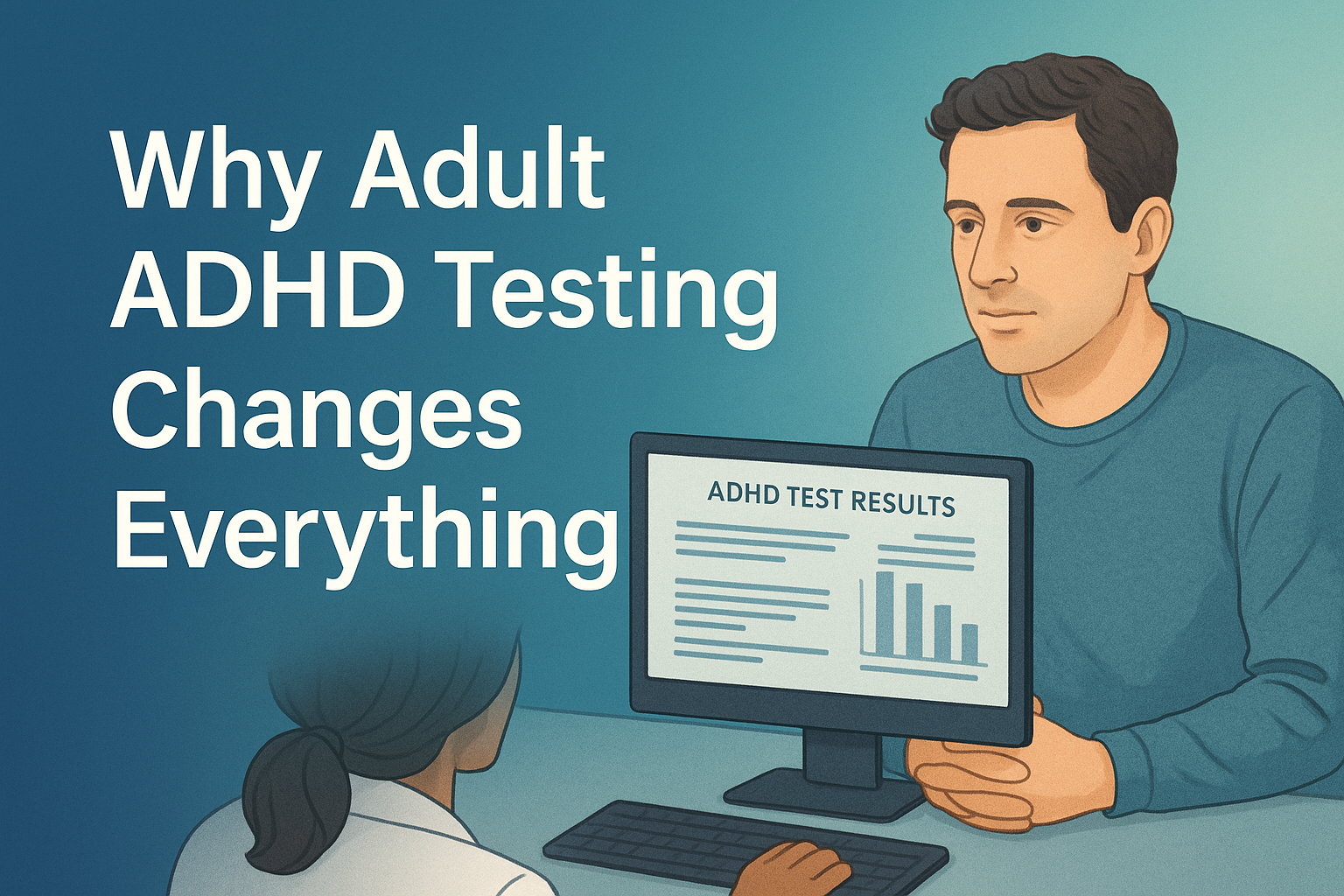
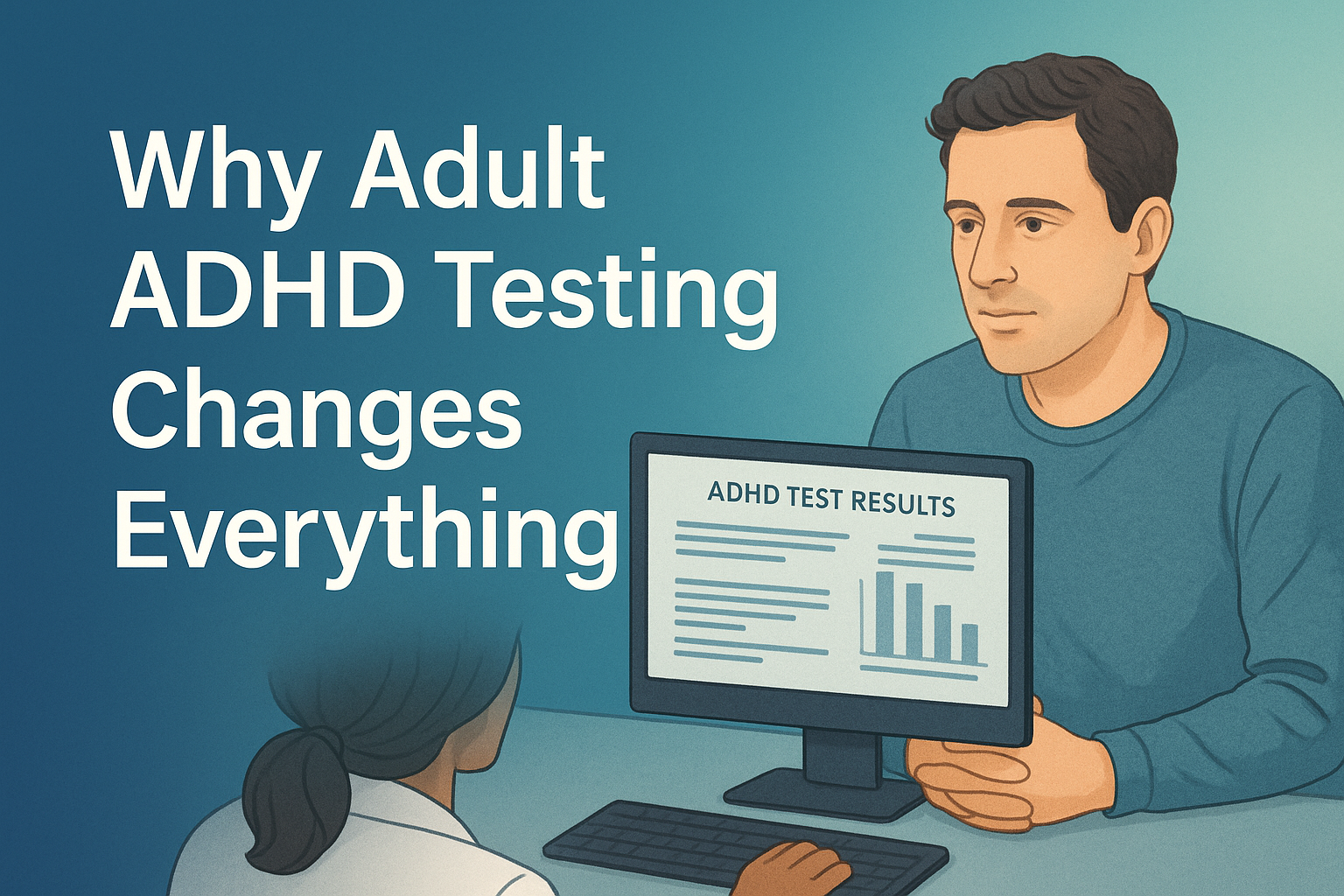
Why Adult ADHD Testing Changes Everything
Adult ADHD testing can transform years of confusion into clarity. Learn why structured ADHD evaluations help adults understand symptoms, prevent misdiagnosis, and create effective treatment plans.
Many adults live for years wondering why everyday tasks feel harder than they should.
They may struggle with:
• Maintaining focus
• Starting important tasks
• Managing time effectively
• Keeping up with work or responsibilities
Often these challenges are misunderstood as laziness, lack of discipline, or stress.
For many adults, ADHD testing becomes the turning point that finally explains these patterns.
A structured evaluation provides clarity, replaces uncertainty, and helps individuals move forward with the right support.
Testing Replaces Guessing
Before testing, many adults spend years trying to figure out what is happening on their own.
Some assume they are simply disorganized. Others believe anxiety or burnout is the only explanation.
A comprehensive ADHD evaluation removes this uncertainty by examining multiple areas of functioning, including:
• Attention regulation
• Impulse control
• Executive functioning
• Emotional regulation
• Functional impairment at work or home
When appropriate, computerized ADHD testing can provide objective data about attention patterns and response time.
If you want to learn more about how testing fits into the diagnostic process, you can read about what happens during an adult ADHD evaluation here.
Clarity Replaces Self-Blame
One of the most powerful outcomes of ADHD testing is emotional clarity.
Many adults report spending years believing they were:
• Lazy
• Unmotivated
• Careless
• “Not trying hard enough”
When testing confirms ADHD, those assumptions are replaced with understanding.
Recognizing that symptoms are connected to a neurological condition — not personal failure — often leads to increased self-compassion and relief.
Accurate Diagnosis Prevents Misdiagnosis
Untreated ADHD can sometimes appear similar to other conditions, including:
• Anxiety
• Depression
• Burnout
• Chronic stress
Without a structured evaluation, ADHD symptoms may be overlooked.
A comprehensive assessment ensures that ADHD is accurately identified and that overlapping conditions are also considered.
You can learn more about how adult ADHD evaluations work here.
Testing Creates a Clear Treatment Path
Testing is not the final step — it is the beginning of a treatment plan.
Once ADHD is confirmed, treatment options may include:
• Medication management
• Executive functioning strategies
• Behavioral support techniques
• Lifestyle adjustments that improve focus and structure
Treatment decisions are individualized based on medical history, symptom patterns, and functional impact.
To learn more about available options, you can review our ADHD treatment and medication management approach here.
Adult ADHD Testing in Pennsylvania and Delaware
At ADHD Philadelphia, we specialize in the evaluation and treatment of adult ADHD.
Our structured assessment process is designed to provide clarity while ensuring responsible, evidence-based care.
Initial consultations begin via secure telehealth for adults located in Pennsylvania and Delaware.
When clinically appropriate, in-person appointments may be scheduled after the initial evaluation.
The Bottom Line
For many adults, ADHD testing changes everything.
It transforms years of confusion into understanding and creates a path toward effective treatment and long-term stability.
If you suspect ADHD may be affecting your work, relationships, or daily functioning, a structured evaluation can provide clarity.